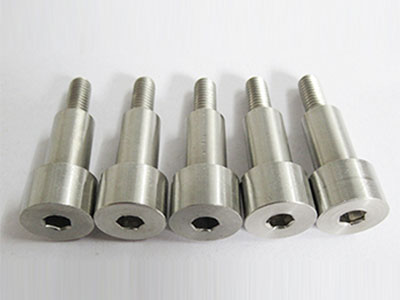
If we are going to use a screw, the first thing we need to do is to understand the performance of this screw, that is, its characteristics. Only in this way can we use the screw in the most appropriate place. Because there are many types of screws, and among these screws, the performance of each type of screw is different. Thus, screws have different applications. To avoid using screws incorrectly, we must have a certain understanding of the performance of the screws, so that we can use the screws in the most appropriate place.
First, let's take a look at self-tapping screws. There are self-tapping screws with diameters ranging from 0.8mm to 12mm. For these screws, they usually have a very high hardness. Self-tapping screws need to undergo a screwing-in test. That is, the screw is inserted into a test plate, and then the hardness of the screw is inspected to see if it meets the standard. If it doesn't meet the standard, we need to analyze where the problem lies and find a solution.
Another type is the drill tail screw. As the name suggests, the tail part of this screw usually takes the shape of a drill. This type of screw is extremely hard. Compared to ordinary screws, it not only has better holding capacity, but also performs very well in connecting objects. For this type of screw, no additional processing is usually required. It can be directly drilled into the object and locked in place. Not only is it very convenient to use, but it can also significantly improve work efficiency. This type of drill tail screw is considered the preferred choice for workers in various fields.
From the above, we can see that our understanding of the various properties of screws is still very important when we use them.
Anti-corrosion technology
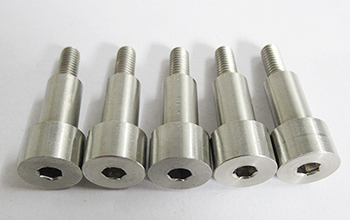
Stainless steel screws are made of metal. The methods for preventing metal corrosion mainly include four aspects: the material's own properties, the environment in which it is used, the interface between the material and the environment, and the design of improving the metal structure. If stainless steel screws are manufactured using a complete anti-corrosion alloy, unless there are special requirements, it is not practical from an economic perspective. Completely isolating the surface of the screws from the environmental factors that cause corrosion is also not feasible in practice and may be very difficult. Improving the design of the metal structure can sometimes mitigate the impact of specific situations, but the designs of most stainless steel screws cannot fully correct this, and their maintenance effect is not permanent. Therefore, this method cannot fundamentally solve the problem. The surface anti-corrosion treatment, that is, the surface protection treatment, is currently the most widely used method.
The anti-corrosion treatment of stainless steel screws refers to applying protective layers on the metal surface through various methods. Its function is to isolate the metal from the corrosive environment, thereby preventing the occurrence of the corrosion process, or reducing the contact between the corrosive medium and the metal surface, in order to achieve the purpose of avoiding or mitigating corrosion.
Mr. Zhang:+86 135-0969-2053

Mobile website
WeChat Official Account
Copyright © 2026 Dongguan Jiqixing Industrial Co., Ltd. All rights reserved
The web page materials and related resources on this site are all sourced from the Internet. If there is any infringement, please notify us immediately. We will delete them within 24 hours.